

Hi, I’m Danielle Gordon.
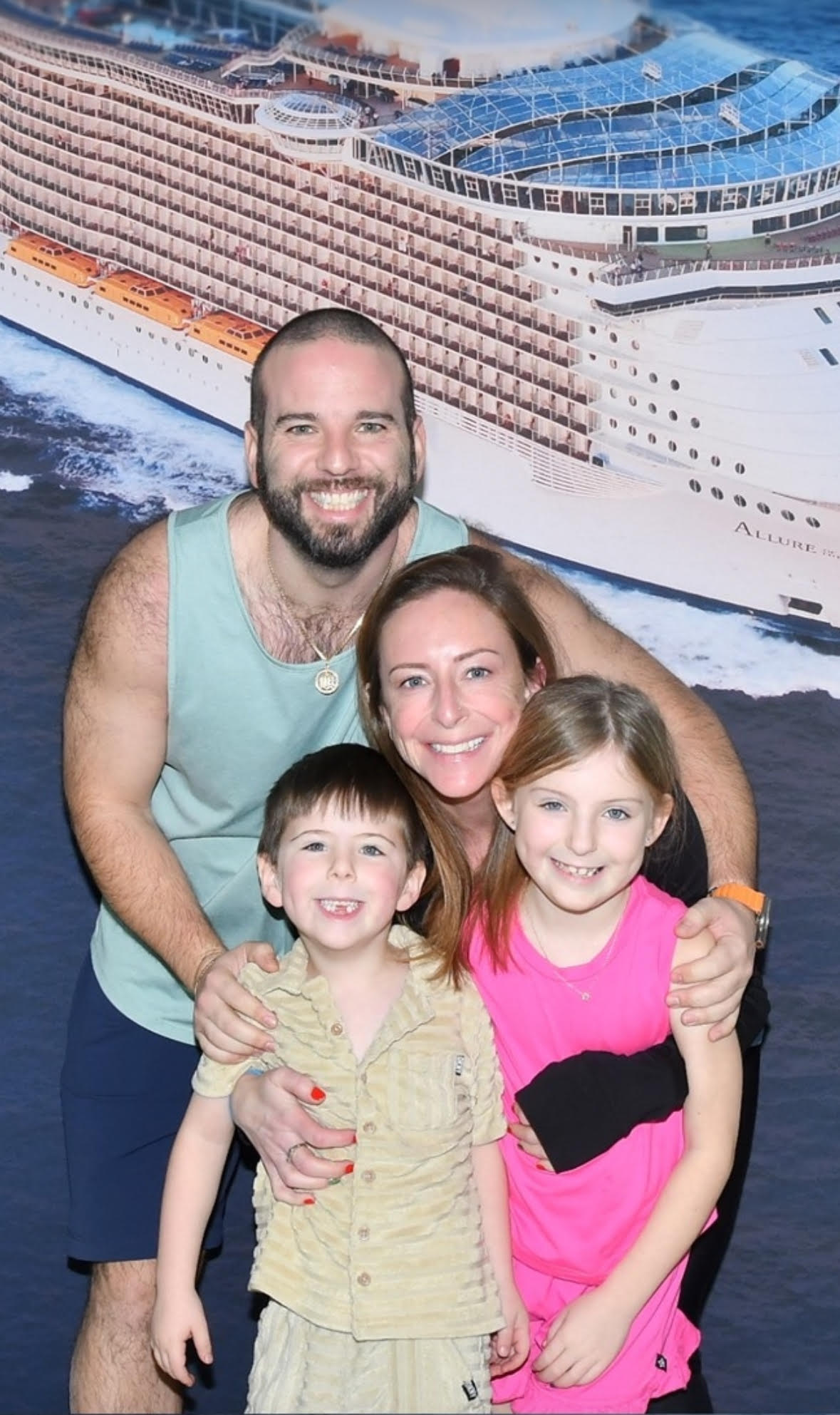
I’m a licensed professional counselor, licensed mental health counselor, certified perinatal mental health specialist, and mom of two (ages 7.5 and 6). I’ve been married to my husband Brad—owner of ART + FRAME—for nearly ten years.
I’ve always been drawn to helping people and to solving problems by looking at the whole picture—not just what’s visible on the surface. That curiosity led me to pursue a degree in Psychology, and later, graduate training in the helping professions. I initially enrolled in a Master of Social Work program, but after an unexpected and eye-opening interview at Northwestern Hospital (a story for another time!), I shifted paths and completed my master’s in counseling instead.
I began my career working in schools, supporting middle and high school students as a bridge between home and school life. I loved being a steady, trusted presence for kids who often felt unheard. After a short break teaching English overseas, I returned to the States, got married, and became a mom—and that’s where everything changed.
The birth of my daughter was deeply traumatic. We were separated at birth, and the months that followed were filled with depression, anxiety, and a painful sense of disconnection. I didn’t recognize myself, and no one around me had the language—or the knowledge—to help. At the time, perinatal mental health support was virtually nonexistent. I knew what I was experiencing wasn’t “normal,” but I had no name for it, and no clear path to feeling better.
Everything shifted when a compassionate lactation consultant gently reflected that my birth had been traumatic. That single moment gave me permission to see my experience differently—and to seek support. It also planted the seed for what would become my life’s work.
I pursued specialized training in perinatal mental health and became the third person in Michigan to earn certification as a Perinatal Mental Health Specialist. Since then, I’ve expanded my scope of practice to include training as a Certified Mental Health and Nutrition Clinical Specialist and a Reproductive Mental Health Specialist. These trainings allow me to support clients through a truly holistic lens-considering the full connection between body, mind, and environment.
I now also work with women and couples navigating a range of life transitions including pregnancy and postpartum, motherhood stress, burnout, anxiety, ADHD, and relationship challenges. Many of my areas of expertise have been shaped by my own lived experience, and I approach this work with deep empathy, clinical insight, and a holistic, trauma-informed lens.
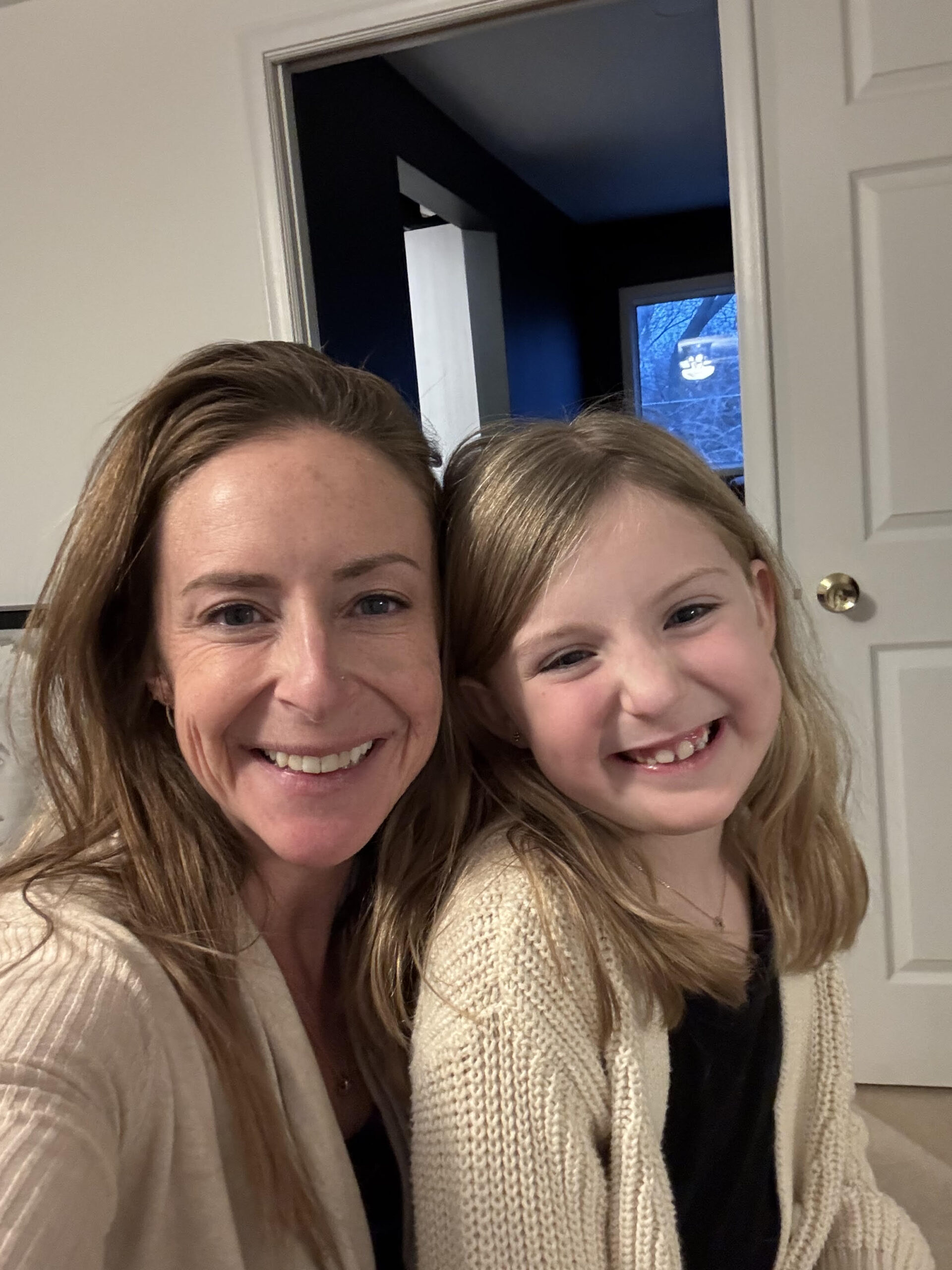
There’s a lot of talk about “Mom Burnout” – how do you define it, and what are some early signs moms should look out for?
I could go on and on with this question! A true definition of burnout, to me, is a state of emotional, physical, and mental exhaustion.
Maternal burnout is uniquely shaped by identity shifts, societal expectations, and often invisible labor (known as the mental load). It may show up as:
- Emotional exhaustion – feeling drained, easily overwhelmed, or emotionally numb
- Emotional Distancing– becoming irritable, detached, or resentful toward your children or partner
- A reduced sense of personal accomplishment – feeling like no matter what you do, it’s never enough
Moms experiencing burnout often juggle high expectations of themselves with limited “me time,” minimal systemic support, and internalized messages that equate sacrifice with good parenting. It’s especially common during major life transitions—such as the postpartum period, early parenting years, or perimenopause—when physical and emotional needs shift rapidly and aren’t always acknowledged.
From a holistic, trauma-informed lens, maternal burnout is not a personal failure—it’s a signal from our bodies – a sign that a mother’s nervous system is on overload, that her needs are unmet, and that her environment may be misaligned with what she truly needs to function and feel whole. Restoration and Realignment come not from pushing harder, but through validation, rest, reconnection, and support—within both personal relationships and the systems around her.
What advice would you give to a mom who feels like she’s “lost herself” in the chaos of parenting?
It’s funny you use that term. When I first started my practice, one of the lines on my website was “Find Yourself Again”—which implies that we somehow lose ourselves in motherhood. But as I’ve evolved as a clinician and a mother, I’ve come to see that’s not quite true.
Most of us don’t lose ourselves—we evolve.
The things that once brought us joy or helped us feel grounded might not work the same way anymore. Our views shift. Our priorities change. And that can feel disorienting—like we’re standing in unfamiliar territory. It’s no wonder it feels overwhelming or even scary.
Maybe I used to go for a run when I was stressed. But now, as a mom, that run might not be possible… or it might look totally different. Maybe I don’t even enjoy it anymore. That doesn’t mean something is wrong with me. It means I’m changing. Growing.
Instead of asking “Where did I go?” it can be helpful to ask “Who am I becoming?”
What are some small, daily practices you recommend for moms to manage stress and overwhelm?
Micro-dosing moments of self-care:
Self-care doesn’t have to be a weekend away or a full hour alone (though those are great too!). Micro-dosing means intentionally weaving small, doable moments of care into your day—just a few minutes at a time. Think: a deep breath before walking into a room, sipping your coffee while doing nothing else, stepping outside for 30 seconds of sunlight, lighting a scented candle or putting on your favorite song. These tiny pauses can help regulate your nervous system, build resilience, and remind you that you matter too.
Slowing down
In a culture that praises productivity and multitasking, slowing down can feel counterintuitive—or even guilt-inducing. But giving yourself permission to move more intentionally (even in small ways) creates space for presence and regulation. This might mean unloading the dryer at a slower pace, pausing before reacting, or doing one thing at a time. Slowing down helps shift you from survival mode into a more connected, responsive state.
Recognizing and assessing needs
Many moms are so focused on caring for others that they lose touch with their own needs. Stress often builds when our needs go unnoticed or unmet. Take a few minutes daily to check in with yourself: Am I hungry? Tired? Touched out? In need of connection? Naming your needs—noticing them without judgment—is the first step to addressing them. This simple practice builds self-awareness and prevents burnout before it takes hold.
What’s a piece of advice you wish someone had given you about motherhood and mental health?
Oh wow, there are so many…I actually have a Myths of Motherhood section on my website for statements and thoughts that are quite common…and damaging!
I think the most helpful pieces of advice that I use myself, and also with my clients are:
- Not everything is a problem that has to be solved.
- There is not a “right” way to do something- only what works in the current moment for you and your family.
- You can’t make your children, or anyone else for that matter, feel a certain way…you can only present opportunities for that feeling.
(Happy to go into more depth in these and explain the reasoning behind them!!)
Take a Visit: https://www.daniellesgordon.com/